Daily: 11 AM – 6.00 PM
Sunday & Holidays: Closed
120 Collins Street Melbourne VIC 3000
Buy a ticket now and explore
our wonderful collection
About Place Gallery
Reckoned Art Gallery in Melbourne, Australia
Art is among the most impactfulforms of visual stimulation. Whether it is a painting, sculpture or a photograph, art has the power to bring change and promote cultural advancement in a society.
At Place Gallery, we display contemporary art pieces and artwork by some of the most talented established and emerging living artists in Melbourne. You can come and visit our gallery and enjoy exhibitions, workshops, competitions and other events where we discuss and learn more about art with the public, artists, budding students and collectors. We aim to inspire people through our exhibits and create an atmosphere of awe and inspiration. You will definitely have a gala time if you come and visit the Place Gallery and spend time browsing through and enjoying the collection of artworks here.
Our art gallery is always in tune with the current cultural scenarios which is why we exhibit work by artists influenced by real life situations and events. Thus, you can find art that resonates with you at our gallery and enjoy it with family or friends. We believe in showing art that moves people emotionally and gets conversations going. So, explore our art gallery in Melbourne (VIC) to find beautiful artwork and meet people with the same interests as you.
View Art From Home
As the COVID-19 pandemic persists and there are restrictions imposed by the Government of Victoria, we have evolved and now offer the option for art collectors, artists, students and art lovers to attend exhibitions, workshops, club meeting and more at home. Here is what we do
- Host virtual tours of the galleries
- Conduct online exhibitions
- Art workshops for kids
- Art workshops for adults
- Online art sales
- Zoom club meetings
- Host virtual art workshops
- Live streaming of art rooms and events
- Virtual art competitions
Our live virtual tours are popular across Victoria. It helps art lovers, independent artists and collectors to showcase and explore unique collections from the comfort of their home. Our guided virtual tours will give you the same experience as you are in our exhibition event. The only difference is that you are safe at home during the health emergency. We are also planning to introduce more features to this virtual tour to help you enjoy the entire exhibition online. You can check out great art masterpieces in our virtual tours and enjoy the excellent views and great gallery exhibits. Place Gallery is an ideal place where you can discover the hidden talent of local artists and painters. The art pieces at our exhibitions are extensive, ranging from wall paintings to traditional and digital art collections. This place is surrounded by different colours of canvas. If you are passionate about art and craft, must visit our gallery. Here you will feel a connection and you can also meet like-minded people under one roof. Unleash the creativity of our local artists and support them. If you want to showcase your piece of art, call our team. We will help you get recognition in our exhibitions.
WHAT’S GOING ON
Upcoming Exhibitions
OCT 1, 2021 - OCT 31, 2021
Nov 1, 2021–Nov 15, 2021
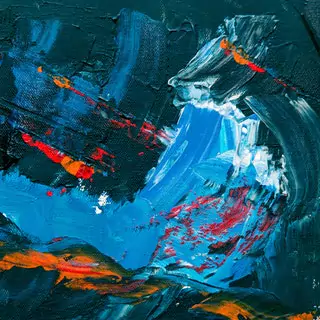
Dec 12, 2021–Dec 24, 2021
GALLERY
Explore On-DisplayPaintings
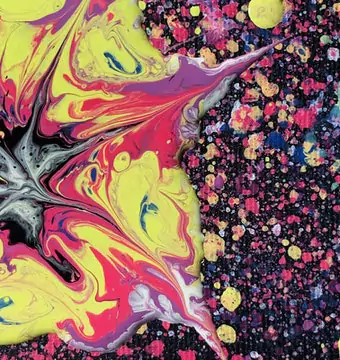
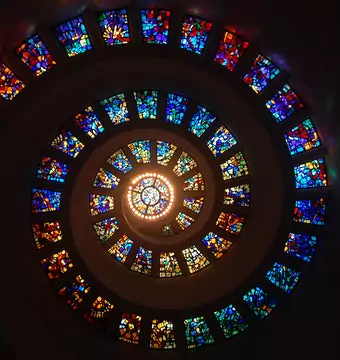
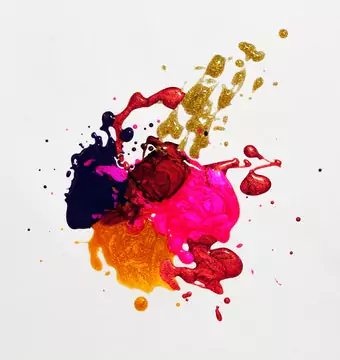
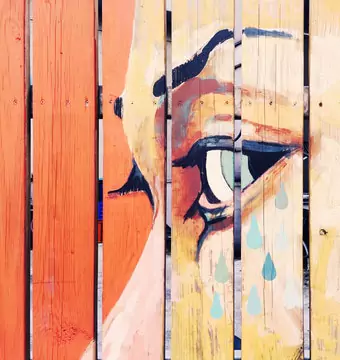
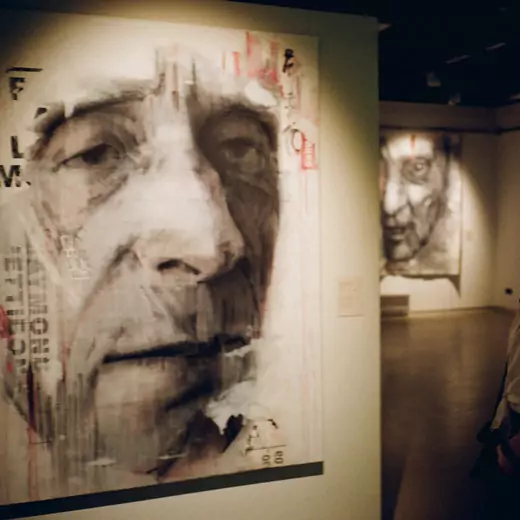
Throughout the year, we have various collections on display for development of the cultural environment of Melbourne and encourage sale of work by artists. Besides offering gallery services, we provide framing and shipping services. Additionally, we provide residential and commercial art consultancy to collectors. We understand the importance of showcasing art by prominent and emerging artists and selling their masterpieces to support their livelihood.
Get Art
Collector’s Delight
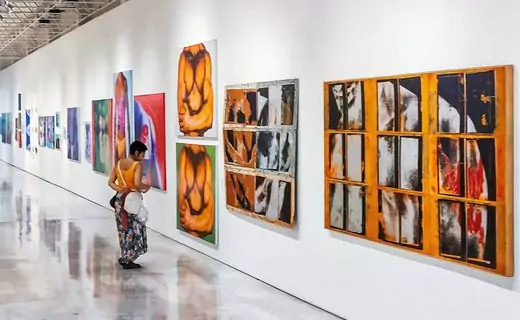
Add the modern paintings, sculptures,photographs and otherwonderful creations to your home or office. At Place Gallery get artwork by renowned andupcoming artists in Melbourne.
What’s Up
EVENTS TO ATTEND
A place for artists to display their creations and get recognition. The festival is one of the biggest platforms for artists to participate in various programs. Money for Art is a popular program through which artists get commission opportunities and cash earning work to relieve financial pressure and earn a livelihood.
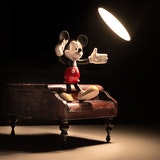
Explore Disney’s 100 years of animation creativity and innovation. The event started on 13th may 2021. It is supposed to end by 17th October 2021, but it is going to beextended. Currently, the sale of tickets is paused due to COVID-19 and you can check the ACMI website for further updates.
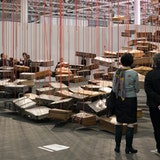
An annual art fair in Melbourne, Victoria showcasing works by living artists in Australia.The event is owned and operated by the Melbourne Art Foundation and various prominent art galleries take part in it to promote and support Australian artists.
More Than 500 Exhibits!
We believe variety is the spice of life. Thus, every day more and more exhibits are added to collections on displace in our art gallery in Melbourne. Do not wait! Buy a ticket now.
Place Gallery
Latest From Our Blog
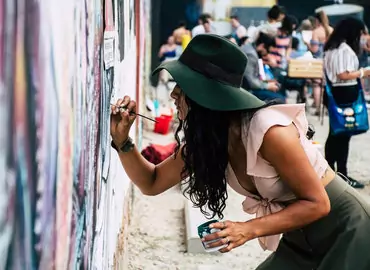
Art has always been one of the best ways to revolutionise time and impact cultures. It is an excellent way of expression that allows artists to express their brilliance and allow art lovers to witness beautiful creations inspired by current scenarios.
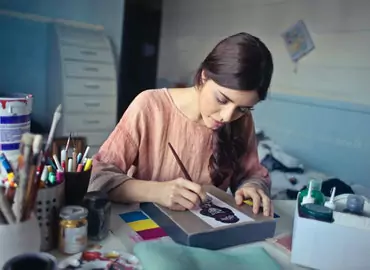
The Melbourne Art Fair is among the biggest events in the city. It is an annual event that features works of established and emerging artists.
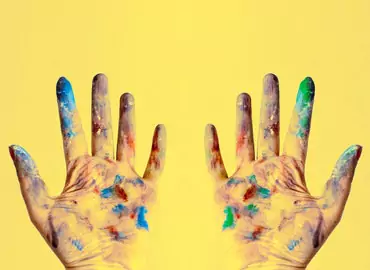
Visual art like paintings and sculptures have been a way of expression and education since the prehistoric times. It is believed that humans have always used it to tell stories, teachings, warnings, concepts, and much more.
Our Patrons